


Few things are more frustrating than turning on a faucet and getting a trickle instead of a steady stream of water. Whether you’re dealing with low water pressure in the shower or concerns about high water pressure damaging your pipes, understanding your home’s water pressure is an important part of protecting your plumbing system.
At Zurn Plumbing, homeowners across Metro Atlanta often call us with questions about home water pressure, strange plumbing symptoms, and rising utility costs. The good news is that many pressure-related issues can be diagnosed and corrected before they cause major damage.
First Up. What Exactly Is Water Pressure?
Simply put, water pressure is the force that pushes water through your home’s pipes and fixtures. It is typically measured in psi, or pounds per square inch.
Most homes operate best with residential water pressure between 40 and 80 psi. If pressure falls below that range, you may experience weak flow from faucets and showerheads. If pressure rises too high, it can place unnecessary stress on pipes, appliances, and plumbing fixtures.
One of the easiest ways to check your home’s pressure is with a water pressure gauge attached to an outdoor faucet or outdoor spigot.
Signs of Low Water Pressure
Low water pressure is one of the most common complaints homeowners have.
You may notice:
- Weak flow from sinks and showers
- Appliances are taking longer to fill
- Reduced performance from washing machines
- Multiple fixtures are losing pressure at the same time
Several factors can contribute to low pressure. In older homes, mineral buildup, mineral deposits, or corrosion inside pipes can restrict water flow. Clogged aerators on faucets may also reduce pressure at individual fixtures.
In some cases, the issue may originate with the municipal water supply or a problem near the home’s water meter.
Signs Your Water Pressure Is Too High
While many people focus on low pressure, high water pressure can be even more damaging.
Excessive pressure may seem convenient when taking a shower, but over time it can increase wear on your plumbing system and lead to expensive repairs.
Common consequences include:
- Leaking fixtures
- Damaged appliances
- Premature water heater failure
- Burst pipes
- Increased water bills
High pressure can also contribute to a phenomenon known as water hammer, which occurs when water flow suddenly stops and creates a loud banging noise inside pipes.
The Role of a Water Pressure Regulator
Many homes rely on a water pressure regulator, also known as a pressure reducing valve or PRV, to maintain safe pressure levels.
A properly functioning pressure-reducing valve helps ensure water enters your home at a manageable pressure. If the valve fails, pressure may fluctuate dramatically.
Signs of a faulty water pressure regulator include:
- Sudden pressure changes
- Noisy pipes
- Dripping fixtures
- Excessively high water pressure
If you suspect a problem, a professional plumber can test the system and determine whether the PRV needs adjustment or replacement.
How Water Heaters Affect Water Pressure
Your water heater can also influence water pressure throughout the home.
Sediment accumulation, aging components, and internal restrictions can reduce hot water flow. Some homeowners notice normal pressure on the cold side but poor pressure when using hot water.
Pressure-related issues may also be connected to thermal expansion. As water heats, it expands. Without an expansion tank, this expansion can create excess pressure inside the plumbing system.
An appropriately sized expansion tank helps absorb that pressure and protect your pipes and appliances.
Understanding Static Water Pressure
Plumbers often measure static water pressure when diagnosing system performance.
Static pressure refers to the pressure in the system when no water is actively flowing. This reading provides valuable information about the condition of the home’s plumbing and pressure-control devices.
A water pressure gauge can be used to determine static pressure and identify potential issues before they become larger problems.
When Booster Pumps May Be Needed
Some homes naturally struggle with low pressure due to elevation changes, distance from municipal supply lines, or system design.
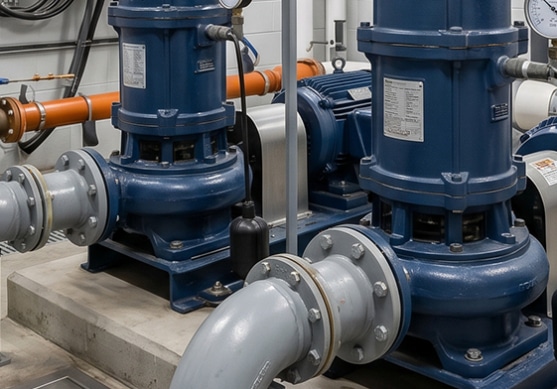
In these situations, booster pumps can help improve home water pressure and provide more consistent flow throughout the house.
Properly installed booster pumps can significantly improve water delivery to upper floors, large homes, and properties with challenging plumbing layouts.
Pressure Tanks and Their Purpose
Some systems include a pressure tank to help regulate pressure fluctuations and maintain consistent water delivery.
A properly functioning pressure tank reduces stress on pumps and plumbing components while improving overall system performance.
When a pressure tank fails, homeowners may notice inconsistent pressure, cycling issues, or unusual plumbing behavior.
How Water Pressure Impacts Your Entire Plumbing System
Your home’s water pressure affects nearly every component of the plumbing system.
When pressure is too low, appliances and fixtures struggle to perform properly. When pressure is too high, wear and tear accelerate.
Everything from washing machines and water heaters to faucets, pipes, and plumbing fixtures can be affected by improper pressure levels.
Maintaining balanced residential water pressure helps:
- Improve fixture performance
- Reduce repair costs
- Protect appliances
- Lower utility expenses
- Extend the life of your plumbing system
When to Call a Professional Plumber
Some pressure issues have simple causes, such as clogged aerators or fixture problems. Others require a more thorough inspection.
If you experience recurring low pressure, unexplained increases in water bills, signs of high pressure, water hammer, or concerns about your pressure-reducing valve, it is time to call a professional.
At Zurn Plumbing, our experienced plumbers can evaluate your water pressure, inspect your plumbing system, test your water pressure regulator, and recommend the right solution for your home.
Protect Your Home’s Water Pressure with Zurn
Maintaining healthy home water pressure is about more than comfort. It is about protecting your plumbing system, appliances, and property from unnecessary wear and damage.
Whether you’re dealing with low water pressure, high water pressure, a failing PRV, or questions about your water heater, Zurn Plumbing has the expertise to help.
If your home’s water pressure does not feel right, schedule an inspection with Zurn today and let our team get your system flowing the way it should.