



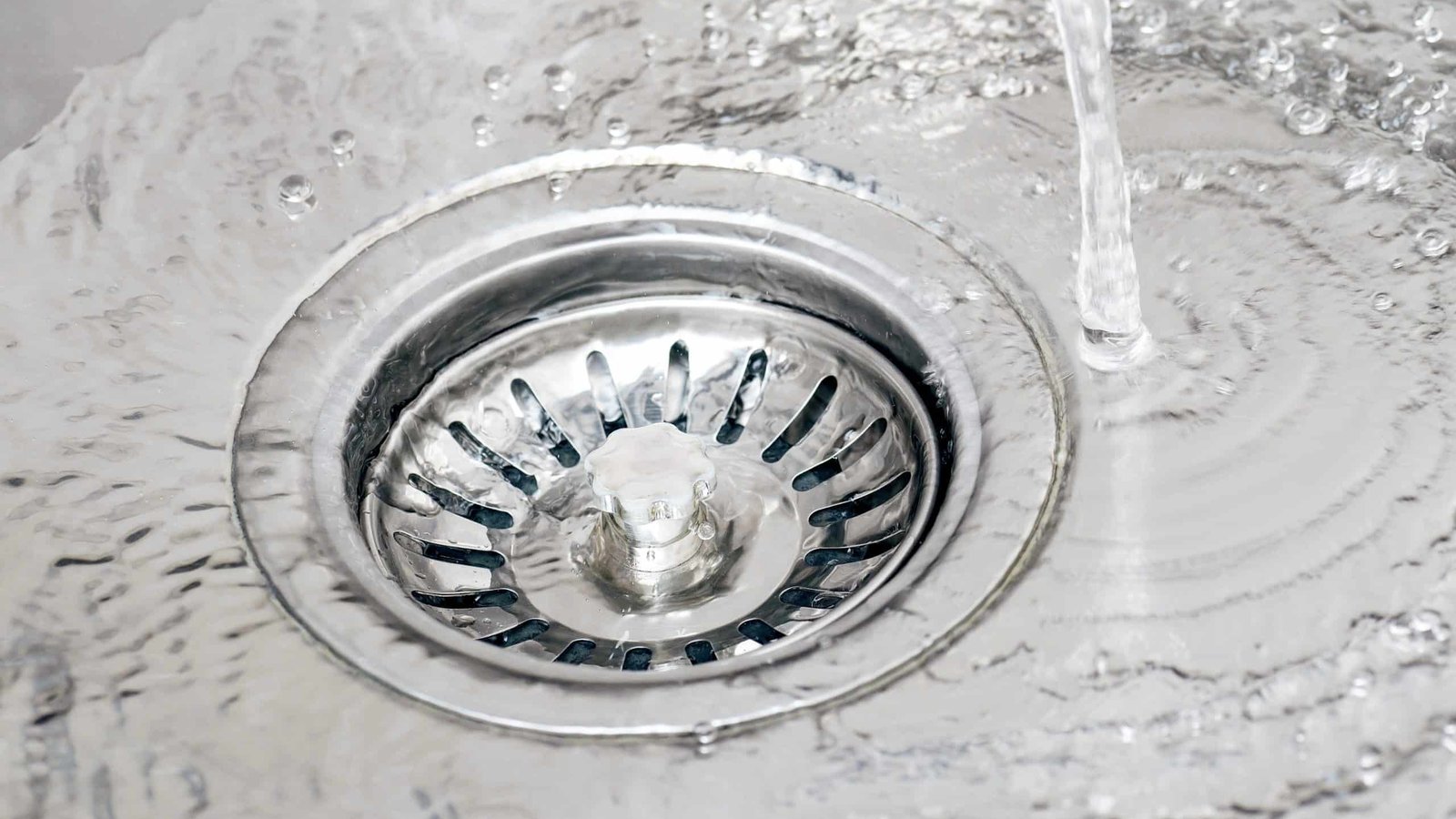
A slow drain might seem like a minor plumbing problem. But when several fixtures start draining poorly, the yard stays suspiciously wet, or sewage odors become a regular occurrence, the trouble could be much bigger.
For homeowners with a septic system, these warning signs can point to a failing septic system that needs professional attention.
Sometimes, a septic tank repair or drain field replacement is enough. Other times, particularly when a property has access to a public sewer system, switching to sewer may be the smarter long-term investment.
At Zurn Plumbing, we help Metro Atlanta homeowners understand their options, from diagnosing septic-related plumbing problems to completing a septic to sewer conversion when municipal sewer service is available.
How Do You Know If Your Septic System Is Failing?
Your septic system works quietly underground, collecting and treating household wastewater. Solid waste settles in the septic tank while liquid effluent moves into the drain field, where the surrounding soil provides additional treatment.
When part of that process stops working, the signs often show up around your home and yard.
1. Slow Drains Throughout the House
One slow sink could mean a localized clog. But slow drains in multiple bathrooms, toilets, and fixtures may indicate a larger problem with your septic tank, sewer line, or drain field.
If plunging and basic drain cleaning aren’t solving the problem, it’s time for a professional inspection.
2. Sewage Backups
Wastewater coming back through toilets, showers, or floor drains is one of the clearest warning signs that something is wrong.
A full septic tank, blocked sewer line, or saturated drain field can prevent wastewater from leaving your home properly.
Avoid using additional water until the problem has been evaluated. Sewage backups can expose your household to harmful bacteria and other pollutants.
3. Standing Water or Soggy Ground
Notice an unusually wet patch of grass near your septic tank or drain field, even when it hasn’t rained?
That moisture could indicate that wastewater isn’t being absorbed or treated as intended.
A failing drain field can also allow untreated wastewater to affect surrounding soil and groundwater, creating potential health and environmental concerns.
4. Persistent Sewage Odors
You shouldn’t regularly smell sewage inside your home or around your septic system.
Strong odors near drains, the septic tank, or the yard may indicate escaping wastewater, a ventilation problem, or a system that isn’t functioning correctly.
5. Unusually Green Grass
A patch of exceptionally lush grass over your drain field might look like a landscaping success. Unfortunately, it can also indicate excess moisture and nutrients entering the soil.
Combined with odors, wet ground, or drainage problems, unusually green grass deserves a closer look.
Can a Failing Septic System Be Repaired?
Yes. Not every septic problem requires abandoning the system.
Depending on the cause, repairs may include clearing an obstruction, servicing the septic tank, repairing damaged components, or addressing problems with the drain field.
However, septic systems have limits. Aging equipment, unsuitable soil conditions, recurring failures, and expensive drain field replacement can make continued repairs less practical.
If your home is located near a municipal sewer main, it may be worth comparing the cost of another major septic repair with the cost of switching from septic to sewer.
When Does Switching to Sewer Make Sense?
A septic to sewer conversion connects your home’s plumbing system to a municipal sewer rather than relying on an individual septic tank and drain field.
That means wastewater leaves your property through a sewer connection and travels to a centralized treatment facility.
Here are several situations where connecting to the sewer system may make sense.
Your Septic System Keeps Failing
Repeated backups, drain field problems, and ongoing repair expenses can add up quickly.
If you’ve already invested in several repairs and your septic system continues to struggle, a permanent connection to the city sewer system may offer better long-term reliability.
Your Drain Field Needs Major Replacement
Replacing a drain field can require extensive excavation, suitable land, and compliance with current environmental requirements.
Depending on the property’s layout and soil conditions, installing a new drain field may be difficult or prohibitively expensive.
When municipal sewer access is available, a septic to sewer conversion may be a practical alternative.
Public Sewer Service Is Available Near Your Property
Availability is one of the biggest factors in determining whether switching to sewer is realistic.
A home located near an existing sewer main may be a good candidate for conversion. Properties farther from municipal infrastructure could require additional construction and expense.
Before making plans, you’ll need to confirm whether the local utility allows a connection and what infrastructure is required.
You’re Thinking About Long-Term Property Value
A properly functioning septic system can serve a home well for years. But for some buyers, access to municipal sewer service may be an attractive feature.
Eliminating the need for septic tank pumping and future drain field replacement can also simplify property maintenance.
While a sewer connection doesn’t guarantee an increase in property value, it may improve a home’s appeal in markets where public sewer service is preferred.
How Does a Septic to Sewer Conversion Work?
The exact process depends on your property, the local utility, and the distance to the available sewer main. However, most septic to sewer conversions follow a similar sequence.
1. Confirm Sewer Access
Before any work begins, the property owner or plumbing company must verify that the local public sewer system can accept a new connection.
The utility will determine whether sewer access is available, where the connection can be made, and whether additional requirements apply.
2. Obtain Permits and Approvals
Connecting to the sewer system typically requires approval from the local sewer authority.
The project may involve a plumbing permit, sewer connection authorization, and other permits depending on the location and scope of work.
A licensed plumber familiar with local requirements can help coordinate the permitting process and required inspections.
3. Install the New Sewer Line
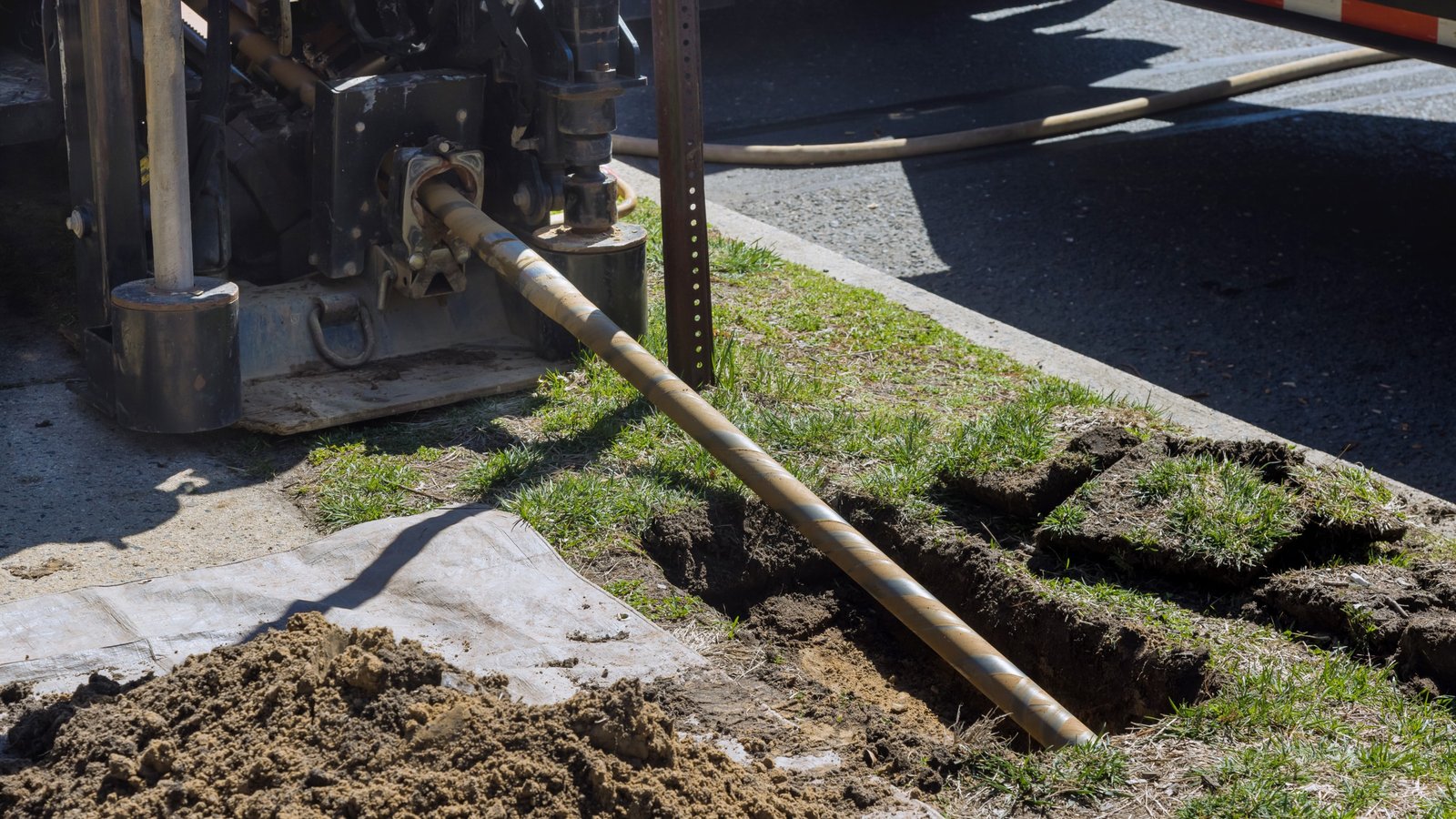
Once approvals are secured, a new sewer line is installed between the home’s plumbing system and the approved connection point.
Depending on the property, this may involve excavation, pipe installation, and connecting the new line to the municipal sewer.
After installation and required inspections, the trench is backfilled and disturbed areas are restored as specified in the project scope.
4. Decommission the Old Septic System
The existing septic tank cannot simply be forgotten once the new connection is complete.
Local regulations determine how the old system must be abandoned. This commonly involves pumping the septic tank, disconnecting it, and either removing it or filling it with an approved material.
Proper abandonment helps prevent future safety hazards and environmental problems.
5. Complete the Sewer Connection
After the new line passes inspection and the old system is properly addressed, the home can begin using the city sewer system.
Instead of treating wastewater on the property, the new connection carries it to a municipal treatment facility.
How Much Does Switching to Sewer Cost?
The cost of switching to sewer varies considerably from one property to another.
Some homeowners may have a relatively straightforward connection to an existing sewer main. Others may need extensive excavation, longer pipe runs, or additional equipment to complete the project.
Common cost factors include:
- Distance to the sewer main: Longer sewer lines generally require more labor and materials.
- Excavation requirements: Landscaping, driveways, utilities, and difficult terrain can affect installation costs.
- Permits and inspections: Local authorities may require multiple approvals before the work can proceed.
- Connection fees: Municipal utilities may charge one-time fees to connect a property to the public sewer system.
- Septic tank abandonment: Properly decommissioning the existing system adds to the total project scope.
- Elevation and drainage: Some properties may require a pump if gravity cannot carry wastewater to the municipal sewer.
There may also be ongoing sewer service charges once the connection is active.
The best way to understand your options is to compare the full cost of septic repairs or replacement with an estimate for a permanent sewer connection.
Is Switching From Septic to Sewer Worth It?
For many homeowners, the biggest advantage of switching to sewer is eliminating the responsibility of maintaining an individual septic system.
With a municipal sewer connection, you no longer need to schedule routine septic tank pumping or worry about replacing a failing drain field.
However, public sewer systems come with their own responsibilities. Homeowners generally remain responsible for maintaining the private sewer line connecting their property to the municipal system, and monthly sewer charges may apply.
A conversion also does not eliminate the possibility of clogged drains, damaged pipes, or sewer backups.
That’s why the decision should account for the age of your existing system, future maintenance costs, municipal availability, and how long you plan to own the property.
If your septic system is working well and a sewer connection would require major construction, staying with septic may make more financial sense.
But when repairs are becoming frequent and expensive, connecting to the sewer system could be the better investment.

Trust Zurn Plumbing for Septic to Sewer Conversion in Metro Atlanta
If your septic system is showing signs of failure, the first step is finding out what’s wrong.
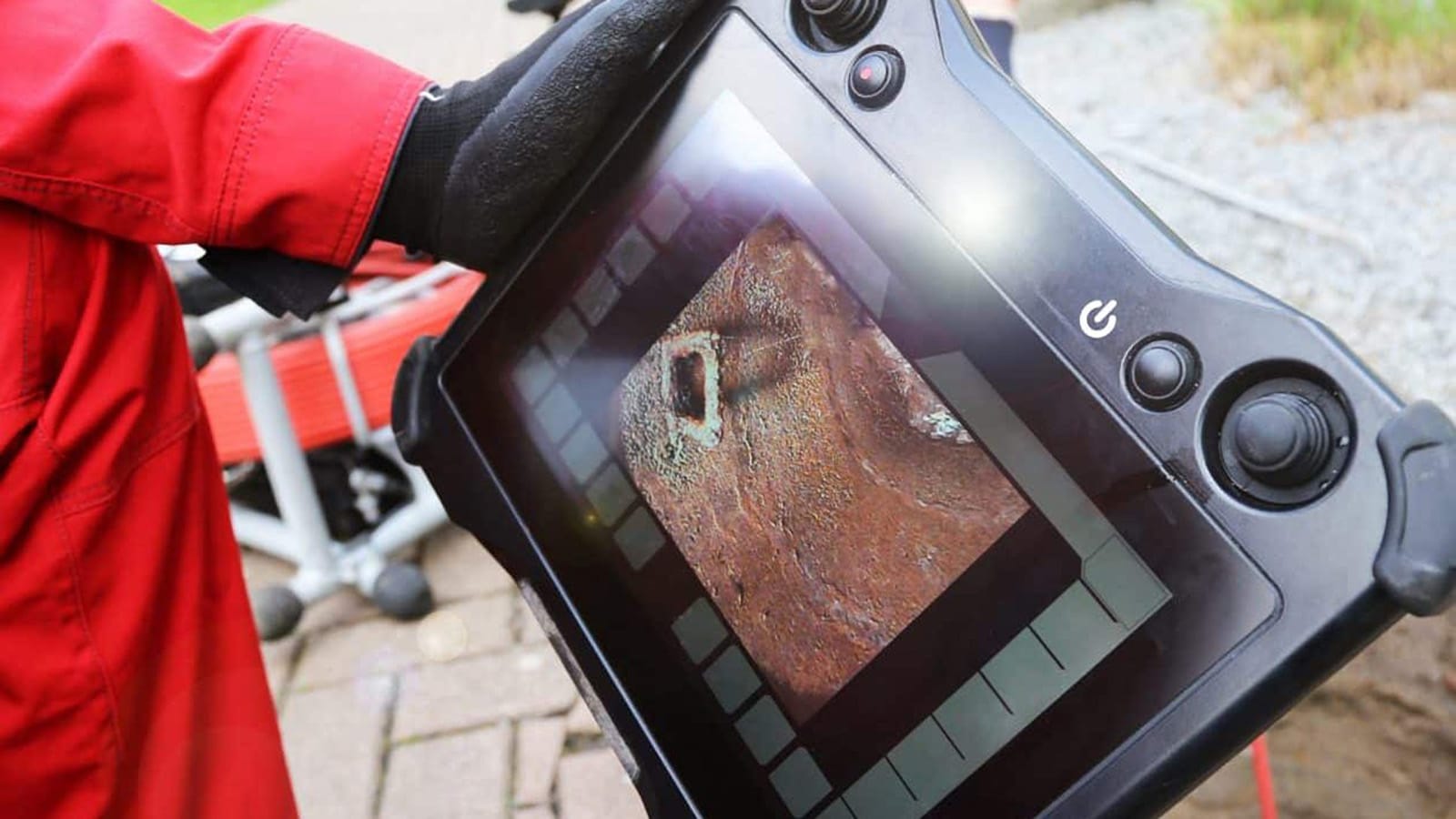
At Zurn Plumbing, our residential plumbing services include septic to sewer conversion, drain cleaning, camera inspection, and sewer line repair. Our team can help evaluate your existing plumbing and determine whether a municipal connection is a practical option for your property.
From diagnosing sewer system problems to planning a new connection, our experienced team understands the challenges that come with underground plumbing.
When you need a licensed plumber who knows Metro Atlanta’s plumbing systems and local requirements, Zurn is ready to help.
Thinking about switching to sewer? Contact Zurn Plumbing to discuss your property, review your options, and find out whether a septic to sewer conversion makes sense for your home.