


Dowsing rods have been used for centuries, but modern science has never proven they can reliably locate water or leaks underground. If you’re dealing with a suspected leak in your Atlanta home or business, don’t rely on folklore. Zurn Plumbing uses professional leak detection equipment to pinpoint problems fast, saving you time, money, and unnecessary digging.
Dowsing rods have gained popularity in recent years as people purport to use them to find water, as well as other hidden objects, below the ground. As cool as it may be to imagine that a person can find water underground by simply holding a rod above the ground, the reality is much more complex.
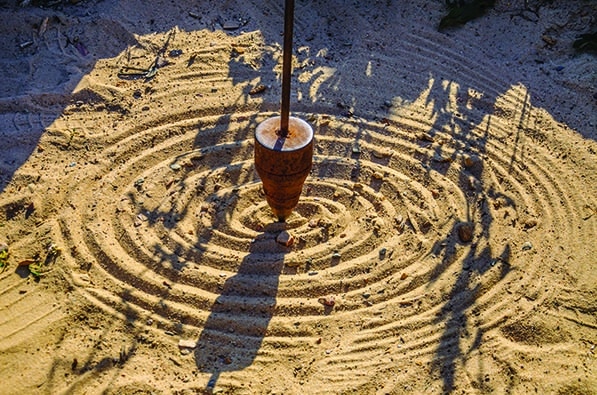
Water dowsing, sometimes also called water witching, is the practice of using a dowsing rod to walk through an area in an attempt to find water and other items that may exist below the dirt. The dowsing rod (sometimes also called a divining rod) may look like a Y-shaped branch, and purportedly can also be used to find items such as pipes, gas lines or empty conduits. When the dowser feels a pull on the branch, or when the wire rods cross, the rod is supposedly telling the user that there is some object under the ground.
However, the question remains: Do dowsing rods actually work?
Some people claim to have success with dowsing rods, but by and large the field of dowsing is controversial. Dowsing is often associated with pseudoscience and the spiritual world, and some studies show that using these rods may not be any more successful than chance alone. People who are skeptical of their use note that those who use dowsing rods aren’t even able to agree on some of the basics of their use, which presents a problem in trying to prove their effectiveness.
Skeptics often attribute dowsing movements to the ideomotor effect, where the body sometimes acts reflexively to an idea without actually taking a conscious action. A common example of the ideomotor effect in action is a Ouija board. Even though no one who is touching the triangle is intentionally moving the centerpiece, the ideomotor effect means there may still be unconscious reflexive movements at play.
However, in light of all of the evidence to the contrary, some people still claim to experience success with dowsing rods. Many of these people assert there may be something related to magnetic fields in the earth that causes them to work. In any case, it’s hard to say what could be happening without the science to support whether these tools are, in fact, more successful at finding objects underwater than random chance.
The Zurn team suggests being cautious when it comes to dowsing rods to locate water and other underground items on your property. Because they have not proven universally successful, you may instead be better off spending your money on scientific equipment that can determine what lies beneath the ground. However, if you feel the urge to purchase a dowsing rod and trying your hand at water witching, give it a shot and let us know what you think in the comments below.
Frequently Asked Questions
Can dowsing rods detect underground water pipes or leaks?
No scientific study has confirmed that dowsing rods reliably locate underground water or leaks. Any apparent success is generally attributed to chance or the ideomotor effect. For accurate results, professional leak detection equipment is the only proven method.
What do professional plumbers use instead of dowsing rods?
Licensed plumbers in Atlanta use tools like acoustic listening devices, thermal imaging cameras, and ground-penetrating radar to locate leaks without guesswork. Zurn Plumbing uses these methods to find leaks fast and minimize disruption to your property.
How do I know if I have a hidden water leak in my Atlanta home?
Common signs include an unexplained spike in your water bill, damp spots on walls or floors, low water pressure, or the sound of running water when nothing is on. If you notice any of these, call Zurn Plumbing for a professional leak detection inspection in the Atlanta metro area.