


A damaged sewer line used to mean one thing: digging.
Today, CIPP sewer repair gives many homeowners and businesses another option. Instead of opening a long trench to remove an existing sewer pipe, trenchless technology can rehabilitate the line from the inside. That can mean less excavation, less disruption, and a faster path to getting your sewer system back in working order.
But CIPP is not the right answer for every damaged pipe.
At Zurn Plumbing, our Precision Pipe Lining team uses inspections and specialized equipment to determine when CIPP lining makes sense and when another form of sewer pipe repair or pipe replacement is the better call.
What Is CIPP Sewer Repair?
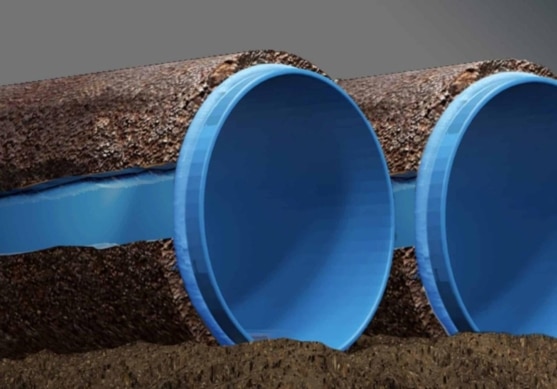
CIPP stands for cured-in-place pipe. The process essentially creates a pipe within a pipe.
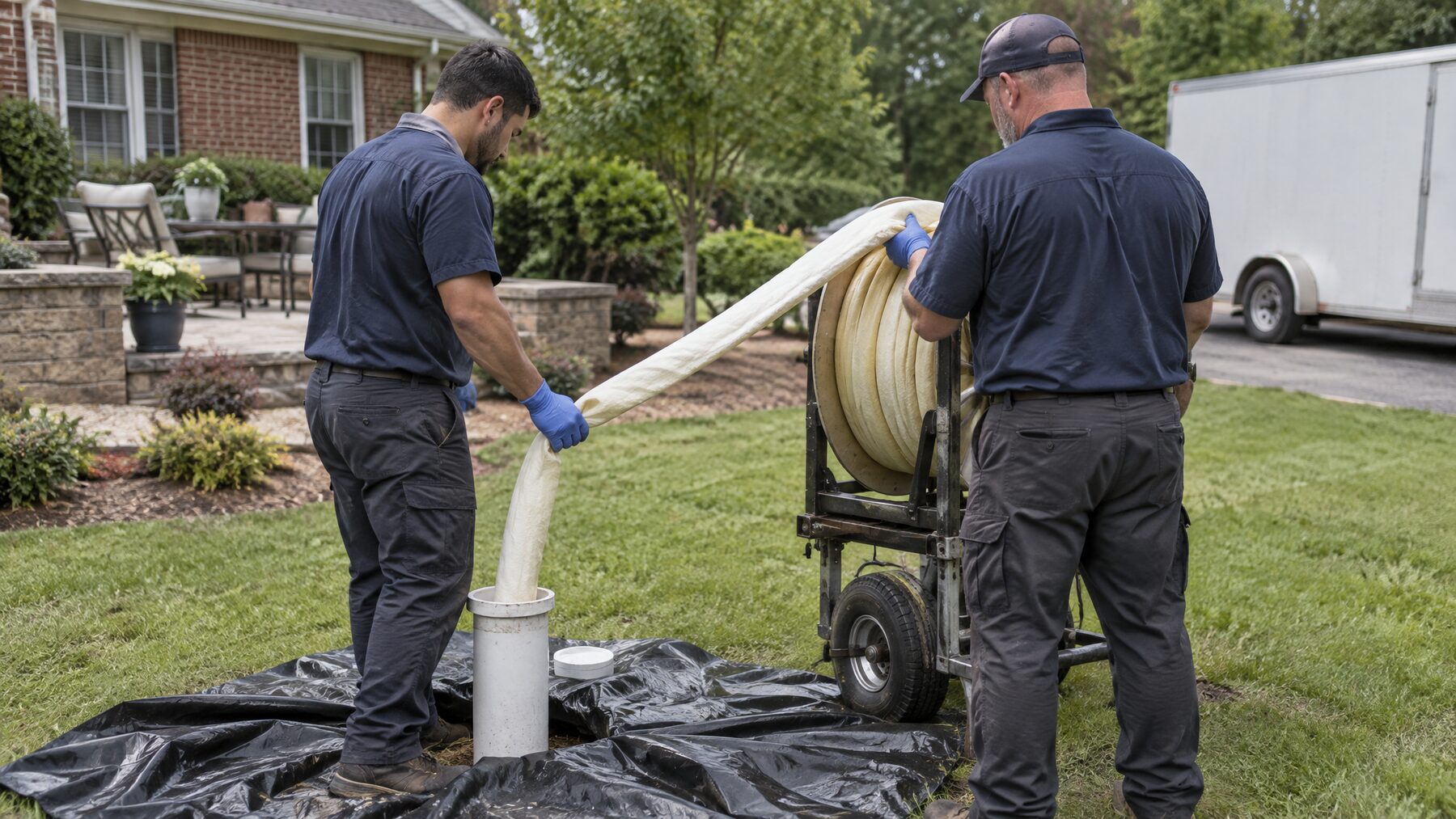
With cured-in-place pipe lining, a flexible liner is saturated with resin and inserted into the existing host pipe. The liner is positioned against the inside walls of the pipe and hardened through a controlled curing process.
Depending on the system, curing may involve hot water, steam, or UV light. Once cured, the CIPP liner forms a durable new interior within the existing pipeline.
This approach is different from a simple epoxy coating. CIPP uses a structural liner, often incorporating materials such as fiberglass and epoxy resin, to rehabilitate the existing pipe.
The result is a new continuous interior that seals cracks, restores flow, and can address several common causes of sewer line failure without traditional dig-and-replace construction.
How Does CIPP Pipe Lining Work?
A successful CIPP pipe lining project starts before the liner ever enters the sewer.
1. Camera Inspection
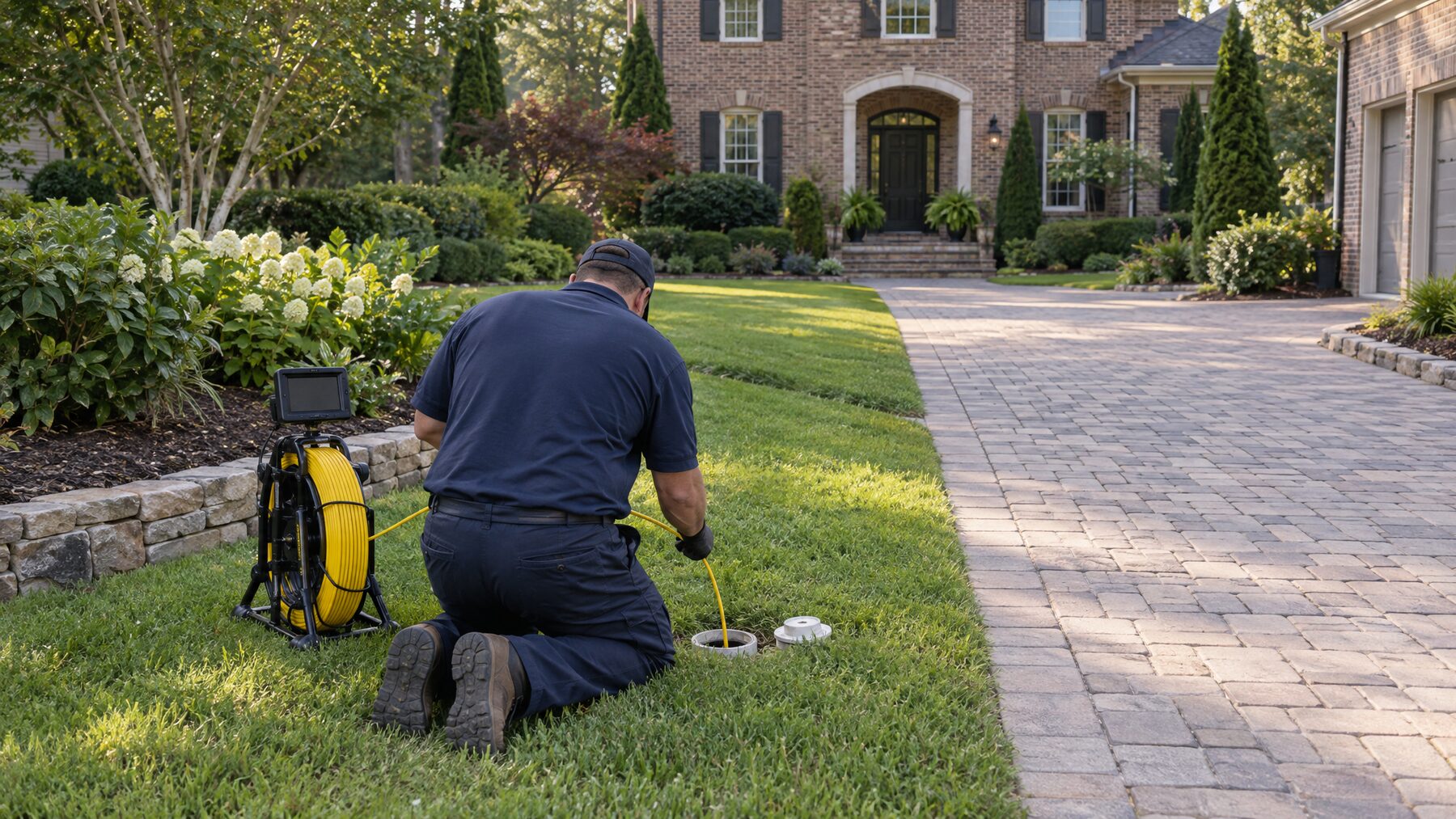
First, Zurn performs a camera inspection to see exactly what is happening underground.
A sewer camera can identify corrosion, cracks, root intrusion, buildup, and other damage. Just as importantly, the camera inspection helps determine whether the existing host pipe is structurally suitable for lining.
2. Cleaning the Existing Pipe
The pipe needs to be properly prepared before liner installation.
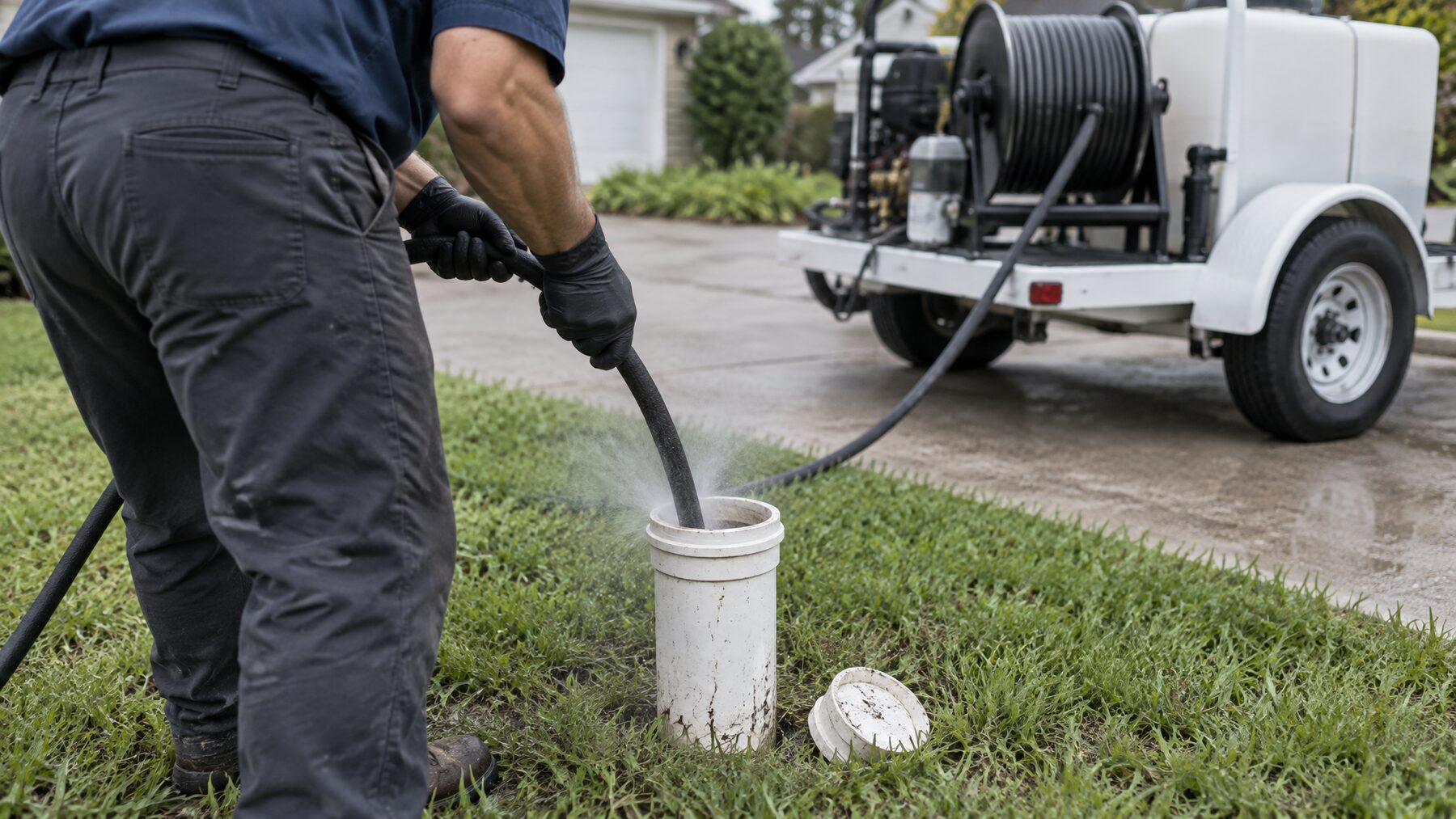
Depending on what the inspection finds, hydro jetting may be used to clear buildup, debris, and roots from the pipeline. A clean interior gives the liner the surface and space it needs to conform properly to the existing pipe.
3. Installing the Liner
A resin-saturated liner is introduced through an existing cleanout or another access point and positioned inside the damaged section.
The liner is expanded against the host pipe so it follows the shape of the existing line.
4. Curing the New Pipe
The resin is then hardened. Different CIPP systems use different methods, including hot water or UV light.
After curing, the new cured-in-place pipe liner remains inside the old line as a strong, continuous interior pipe.
5. Final Camera Inspection
A second camera inspection allows the team to examine the completed pipe lining and confirm that the rehabilitated line is ready for service.
When Does CIPP Sewer Lining Work Well?
The best candidates for CIPP sewer lining generally have an existing pipeline that is damaged but still has enough structure and continuity to support lining.
Cracked Sewer Pipes
Small cracks do not necessarily mean the entire sewer needs to be excavated and replaced.
Because the liner conforms to the host pipe and seals cracks from within, trenchless pipe lining can be an effective solution for qualifying cracked lines.
Aging Cast Iron
Older cast iron sewer pipes can deteriorate due to corrosion and years of use. If the line has not collapsed, CIPP may allow it to be rehabilitated without removing the old pipe.
Clay Sewer Lines
Older properties may also have clay sewer pipes. Joints, cracks, and root entry can create recurring problems in these systems.
Following a camera inspection and proper cleaning, qualifying clay pipelines may be candidates for sewer pipe lining.
Root Intrusion
Roots are drawn to moisture and can enter sewer lines through joints and cracks. Once inside, root intrusion can restrict flow and worsen existing damage.
After the roots are removed, CIPP can create a continuous interior that eliminates many of the openings roots originally used to enter the line.
Hard-to-Reach Pipes
One of the biggest advantages of trenchless sewer repair is where it can be performed.
If a mainline runs beneath landscaping, pavement, or other finished areas, traditional excavation can turn one plumbing problem into a much larger property project. CIPP minimizes trenching by accessing the sewer through cleanouts or strategically selected entry points whenever conditions allow.
When Might CIPP Not Be the Right Choice?
CIPP is a powerful tool, but it cannot fix every sewer problem.
A camera inspection is critical because the condition and layout of the existing pipe determine whether lining is appropriate.
A Collapsed Pipe
The liner needs a usable pathway through the host pipe. If part of the line has completely collapsed or is severely deformed, CIPP sewer lining may not be possible without additional work.
In these situations, spot repairs, excavation, or another replacement method may be required.
Major Alignment Problems
CIPP follows the path of the existing sewer. It can rehabilitate the pipe itself, but it cannot correct every physical problem with how that pipe is positioned underground.
A severely displaced or misaligned line may require a different approach.
When the Pipe Needs to Be Replaced
Sometimes rehabilitation simply is not the right solution.
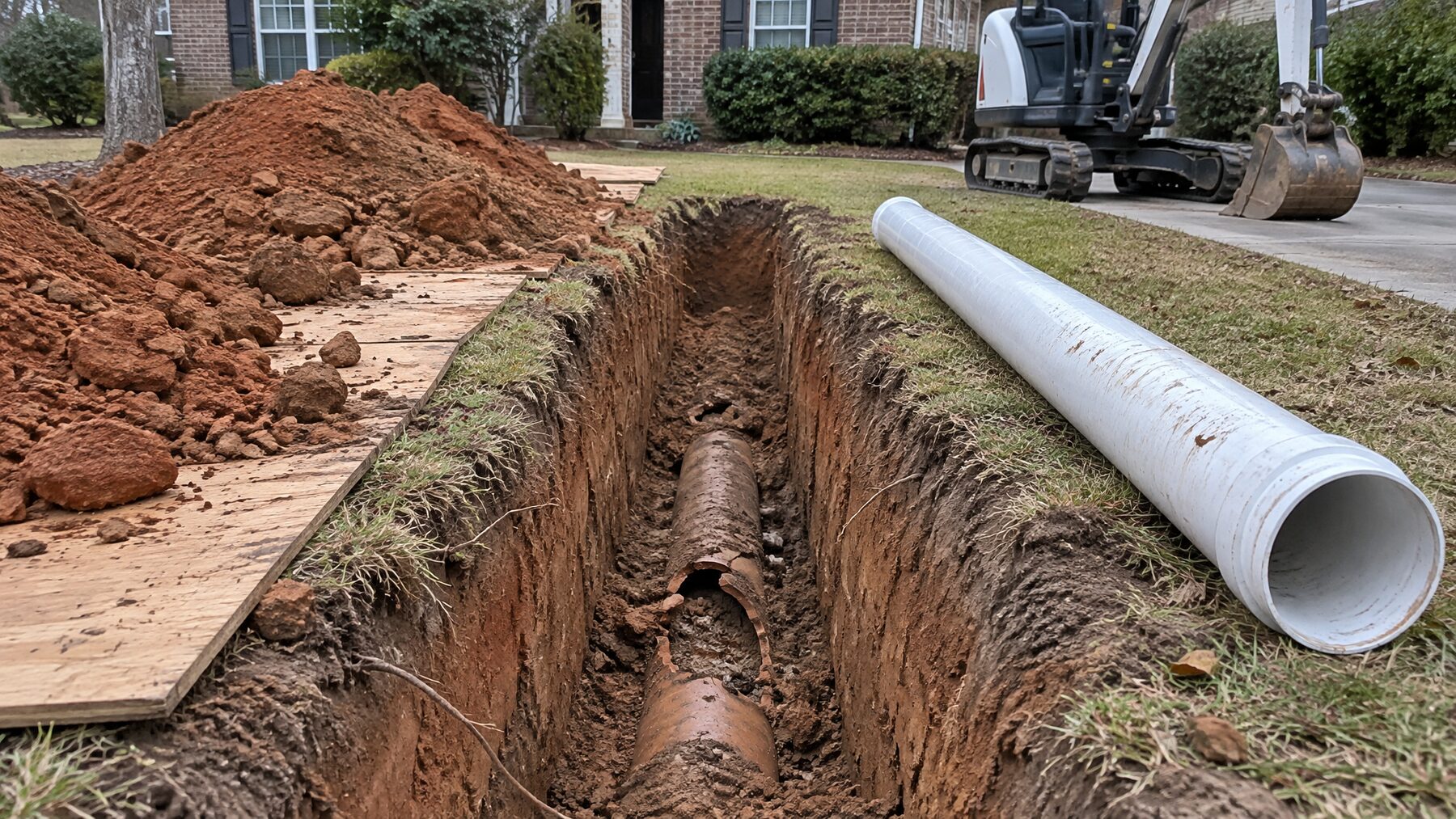
If the existing line is beyond repair, pipe bursting may provide another trenchless option. Pipe bursting breaks apart or displaces the old pipe while pulling a replacement pipe, often PVC, into its place.
Unlike CIPP, which rehabilitates the existing line, pipe bursting performs an actual pipe replacement.
Traditional excavation may also be necessary when site conditions make trenchless methods impractical.
CIPP vs. Pipe Bursting vs. Traditional Replacement
There is no single sewer repair method that is best for every property.
CIPP sewer repair uses the existing pipeline as the pathway for a new interior liner. It is especially useful when the host pipe remains suitable for rehabilitation.
Pipe bursting replaces the existing pipe and can be useful when rehabilitation is no longer practical but trenchless replacement is possible.
Traditional dig-and-replace sewer repair exposes the existing line through excavation and replaces it directly. Although more disruptive, it remains necessary for certain failures and site conditions.
The right solution starts with knowing what is actually underground.
Can CIPP Be Used for Residential and Commercial Sewer Lines?
Yes. CIPP sewer lining can be used in a variety of applications, including residential sewer laterals, commercial pipelines, and portions of a sanitary sewer system.
Pipe diameter, material, access, bends, damage, and overall condition all factor into whether trenchless pipe repair is appropriate.
That is why two properties with similar symptoms may ultimately need very different repairs.
What Are the Benefits of CIPP Sewer Repair?
When the pipe is a good candidate, CIPP sewer repair can offer several advantages over traditional replacement.
Because most of the work happens inside the existing pipeline, less excavation is typically required. That can help protect landscaping, driveways, parking areas, and other finished surfaces.
CIPP also creates a smooth, continuous interior without the same joints found in many older sewer systems. Properly installed epoxy and fiberglass liner systems are designed to provide a durable rehabilitation solution for damaged underground piping.
For property owners, that means solving the sewer problem without automatically committing to the disruption of a full excavation project.
Find Out If Your Sewer Line Is a Candidate for CIPP
Slow drains, recurring backups, and sewer odors can tell you something is wrong. They cannot tell you whether you need CIPP, pipe bursting, spot repairs, or traditional replacement.
For that, you need to see the pipe.
Zurn Plumbing and Precision Pipe Lining starts with a professional camera inspection to evaluate the condition of the sewer line and determine the appropriate repair method. If CIPP pipe lining is a good fit, our trenchless specialists can rehabilitate the damaged pipe from within. If it isn’t, we’ll identify the alternative that makes sense for the problem.
If you are dealing with a damaged residential or commercial sewer line, contact Zurn Plumbing to learn whether CIPP sewer repair can solve the problem without digging up everything above it.