

A reliable plumbing system is one of the most important parts of any commercial property. Whether you manage office spaces, restaurants, retail centers, or other commercial buildings, plumbing problems can quickly turn into expensive disruptions.
Leaks, clogs, poor water pressure, and hidden corrosion can lead to damaged property, unhappy tenants, failed inspections, and unnecessary downtime. That is why every property manager should have a dependable commercial plumbing inspection checklist in place.
At Zurn Plumbing, we help businesses stay ahead of costly repairs through professional commercial plumbing inspection services and long-term preventive maintenance plans.
Why a Commercial Plumbing Inspection Matters
Commercial plumbing systems experience heavy daily use. Unlike residential systems, they support multiple restrooms, break rooms, commercial kitchen operations, and large-scale water usage throughout the building.
Without regular maintenance, small issues become major problems. A neglected sewer line, aging water lines, or damaged supply lines can lead to serious water damage and expensive emergency repairs.
Routine inspections help:
- Catch issues early
- Reduce emergency work order calls
- Extend equipment lifespan
- Lower water bills
- Keep your building compliant with plumbing code and building code requirements
A strong plumbing maintenance checklist protects both your building and your bottom line.
Commercial Plumbing Inspection Checklist
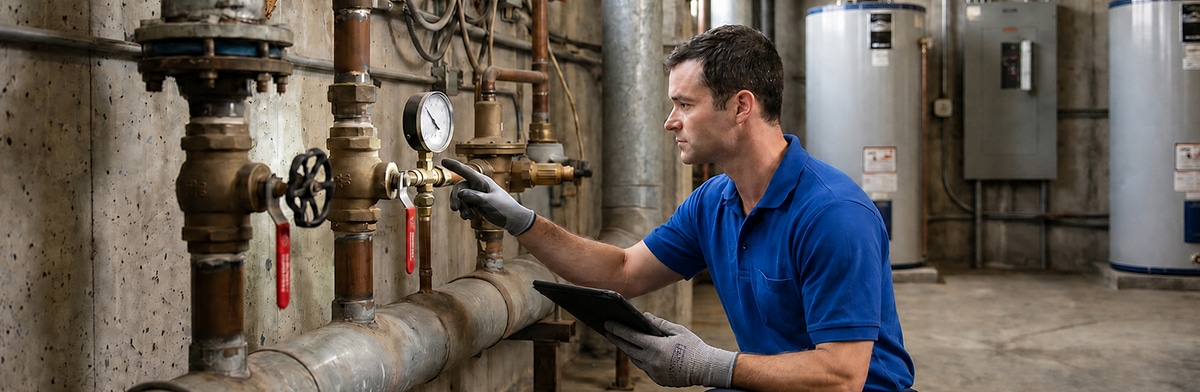
Below are some of the most important areas every plumber should inspect during a professional service visit.
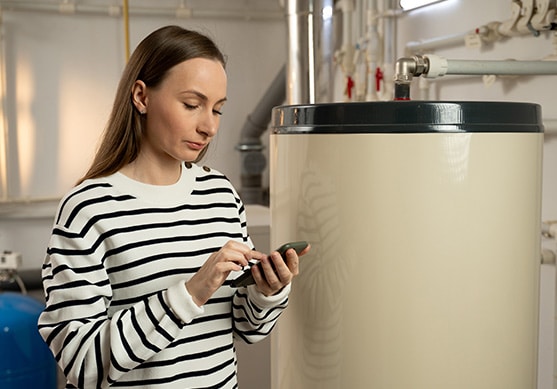
- Water Heaters and Boilers
Commercial properties rely heavily on consistent hot water. A failing water heater or malfunctioning boilers can disrupt operations quickly.
During inspection, plumbers should check:
- Tank condition
- Heating performance
- Signs of leaks or rust
- Sediment buildup
- The condition of the anode rod
If left unchecked, water heater issues can affect energy efficiency and daily operations.
- Faucets, Fixtures, and Running Water
Leaking faucets and worn plumbing fixtures waste water and increase utility costs over time.
Inspectors should look for:
- Dripping faucets
- Loose fixtures
- Constant running water
- Signs of wear around sinks and toilets
Even minor leaks can significantly impact monthly water usage.
- Restrooms and Urinals
Commercial restrooms see heavy use every day. Problems with toilets and urinals can quickly become customer complaints.
Inspection points should include:
- Flush performance
- Leaks around fixtures
- Drain performance
- Odors or signs of hidden leaks
Proper restroom maintenance helps maintain cleanliness and reliability for employees and customers alike.
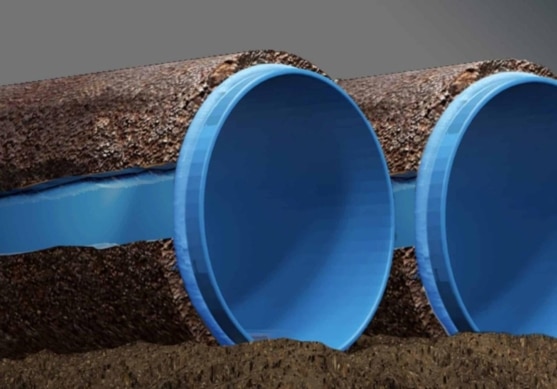
- Sewer Lines and Drain Systems
A damaged sewer line can create major disruptions in any building.
Professional inspections should include:
- Checking for blockages and clogged drains
- Inspecting floor drains
- Evaluating the condition of the cleanout access points
- Looking for grease or debris buildup
In restaurants and food-service spaces, the grease trap should also be inspected regularly to prevent backups.
- Water Supply and Water Pressure
Commercial properties rely on a stable water supply and balanced water pressure throughout the building.
A plumbing inspection should evaluate:
- Pipe condition
- Pressure consistency
- Potential leaks in water lines
- Damage to supply lines
Inconsistent pressure may signal hidden leaks or failing components inside the system.
- Shut-Off Valves and Emergency Controls
Functional shut-off valves are critical during emergencies.
Plumbers should confirm:
- Valves operate properly
- Emergency shut-offs are accessible
- Corrosion is not affecting the operation
A failed shut-off valve can make a leak or burst pipe far more damaging.
- Backflow Prevention Devices
Commercial buildings are typically required to maintain working backflow prevention devices.
These systems protect the potable water supply from contamination. Regular backflow testing helps ensure compliance and safe operation.
Ignoring these inspections can create health hazards and code violations.
- Vent Systems
Properly functioning vent systems help drains operate correctly and safely release sewer gases.
Inspections should look for:
- Obstructions
- Damage to vent piping
- Signs of slow drainage caused by venting issues
Vent problems often contribute to recurring drain complaints.
- Pressure Testing and Leak Detection
A professional pressure test can identify hidden weaknesses inside the plumbing system before leaks become visible.
This helps detect:
- Hidden pipe failures
- Weak joints
- Underground leaks
- Future risk areas
Early leak detection helps avoid major repair costs and property damage.
- HVAC and Plumbing Connections
Many commercial properties have plumbing systems connected to HVAC equipment.
Inspectors should check:
- Condensate drain lines
- Water supply connections
- Signs of moisture around HVAC systems
Plumbing issues connected to HVAC equipment often go unnoticed until water damage appears.
Building a Preventive Maintenance Plan
The best commercial properties do not wait for plumbing problems to happen. They use preventive maintenance plans to stay ahead of issues.
A professional template or customized inspection checklist can help property managers:
- Track repairs
- Schedule inspections
- Prioritize upgrades
- Reduce emergency service calls
Some facilities also choose to automate maintenance tracking through digital systems and recurring service schedules.
Why Commercial Plumbing Inspections Matter in Real Estate
For property owners involved in real estate, plumbing inspections are especially important.
A professional building inspection that includes plumbing can uncover:
- Hidden leaks
- Code violations
- Aging systems
- Sewer line issues
- Water heater failures
Addressing these issues early protects property value and helps avoid surprises during transactions.
Stay Ahead of Plumbing Problems with Zurn
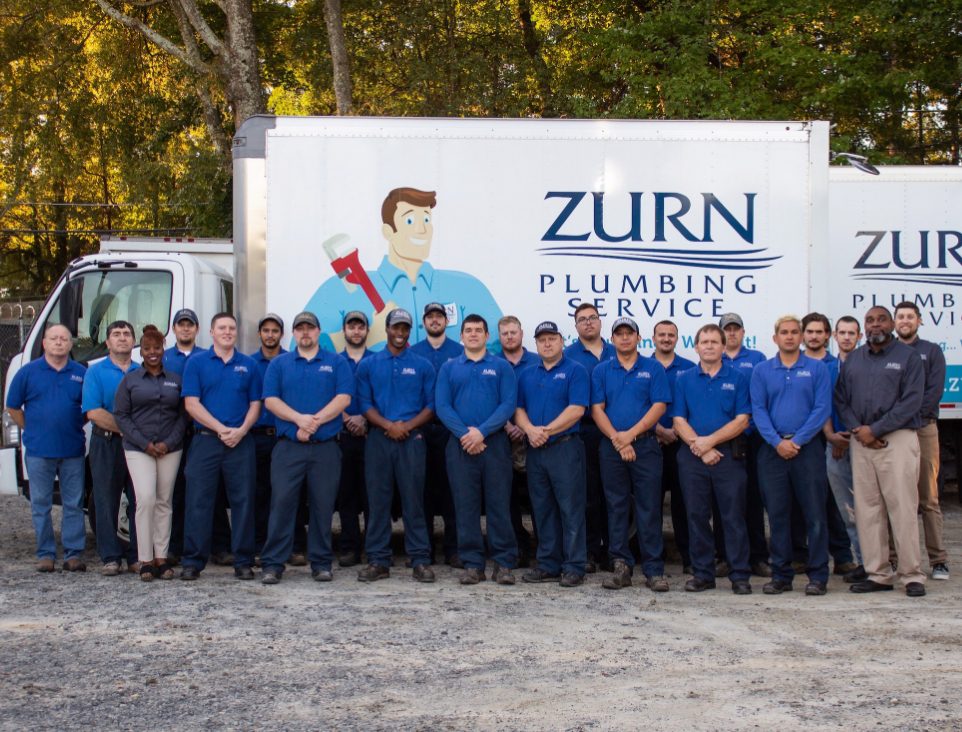
At Zurn Plumbing, we understand the demands of managing commercial properties. Our team provides detailed commercial plumbing inspection services designed to help businesses avoid disruptions, reduce repair costs, and maintain reliable building operations.
From water heaters and sewer lines to grease traps and backflow devices, we help property managers keep every part of their plumbing system operating safely and efficiently.
A well-maintained system is not just about avoiding repairs. It is about protecting your building, your tenants, and your business.
If your property has not had a recent plumbing inspection, now is the time to schedule one with Zurn Plumbing.