


A damaged underground pipe can create a major problem for a commercial property. A failing sewer line can disrupt tenants, close restrooms, interfere with business operations, and potentially require significant excavation through parking lots, sidewalks, landscaping, or finished spaces.
Fortunately, digging everything up is no longer the only option.
CIPP pipe lining, short for cured-in-place pipe lining, is a form of trenchless technology that rehabilitates damaged piping from the inside. For commercial buildings, CIPP can provide a durable, efficient, and relatively non-invasive alternative to traditional pipe replacement.
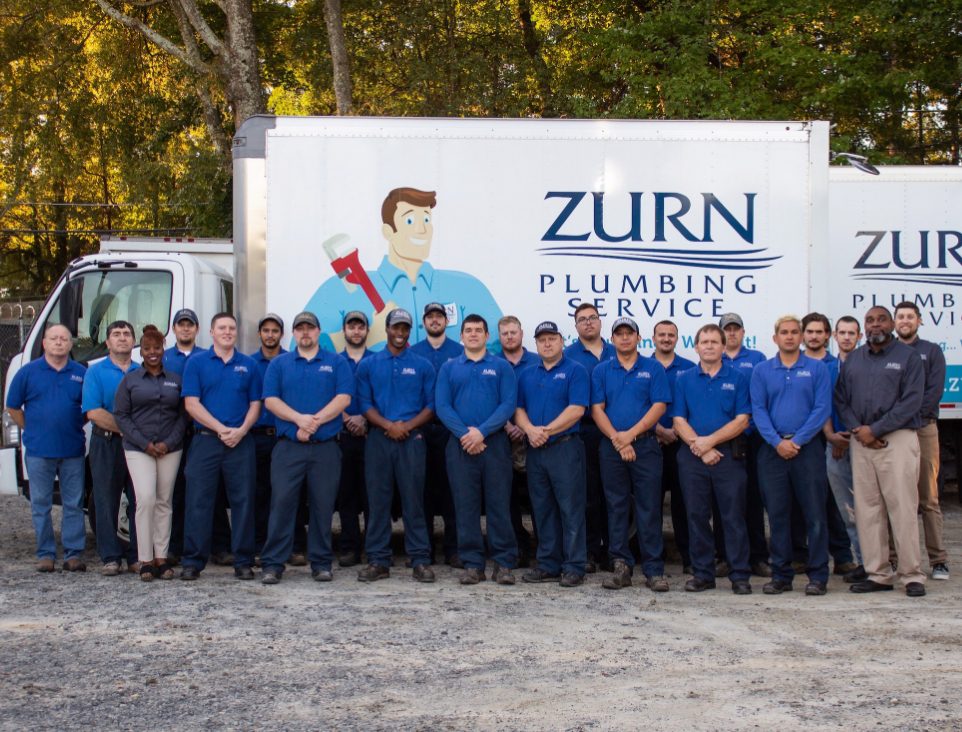
At Precision Pipe Lining, Zurn Plumbing’s trenchless pipe rehabilitation division, we use advanced technology to help property owners and facility managers address aging and damaged piping while minimizing disruption to the property.
What is CIPP Pipe Lining?
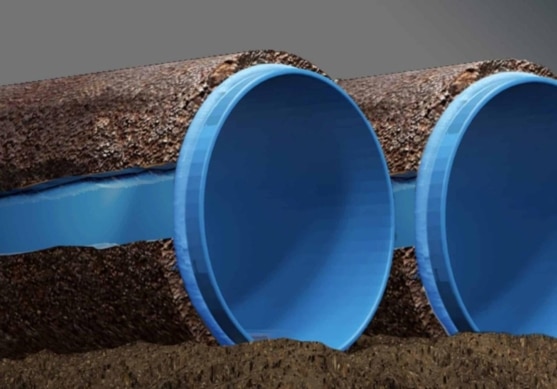
CIPP, or cured-in-place pipe, is a method of pipe rehabilitation that creates a new structural pipe inside an existing damaged pipe.
Think of it as creating a pipe within a pipe.
During the cured-in-place pipe lining process, a flexible liner is saturated with specially selected epoxy resins or other resin systems and installed within the existing pipeline. Once positioned, the liner is expanded against the walls of the old pipe using air pressure or another installation method.
The material is then cured to create a solid new interior pipe. Depending on the application and lining system, curing methods can include steam, hot water, or UV light.
The finished CIPP liner can restore structural integrity and improve flow without requiring crews to excavate the entire existing pipeline.
Why CIPP Matters for Commercial Properties
Traditional sewer repair can be especially disruptive for commercial buildings.
Imagine having to excavate a sewer pipe beneath a busy parking lot, warehouse floor, courtyard, roadway, or other heavily used area. Even when the plumbing repair itself is straightforward, the associated demolition and restoration can become a major project.
Trenchless pipe lining changes that equation.
Because CIPP generally uses existing access points or strategically located openings, the amount of excavation can be significantly reduced. That can mean less disruption to customers, employees, tenants, traffic, landscaping, and daily operations.
For businesses, that difference matters.
Where Can CIPP Be Used?
CIPP sewer lining can be useful across a wide range of commercial and industrial applications.
Depending on pipe condition and project requirements, it may be used for:
- A building’s underground sewer line
- A larger sewer main
- Commercial wastewater piping
- Lateral lines connecting buildings to a main
- Aging or deteriorated underground piping
- Pipes experiencing root intrusion
- Pipes affected by cracks, corrosion, or infiltration
Commercial properties can have extensive networks of underground piping, so a professional evaluation is necessary to determine which sections are candidates for lining.
How Does the CIPP Process Work?
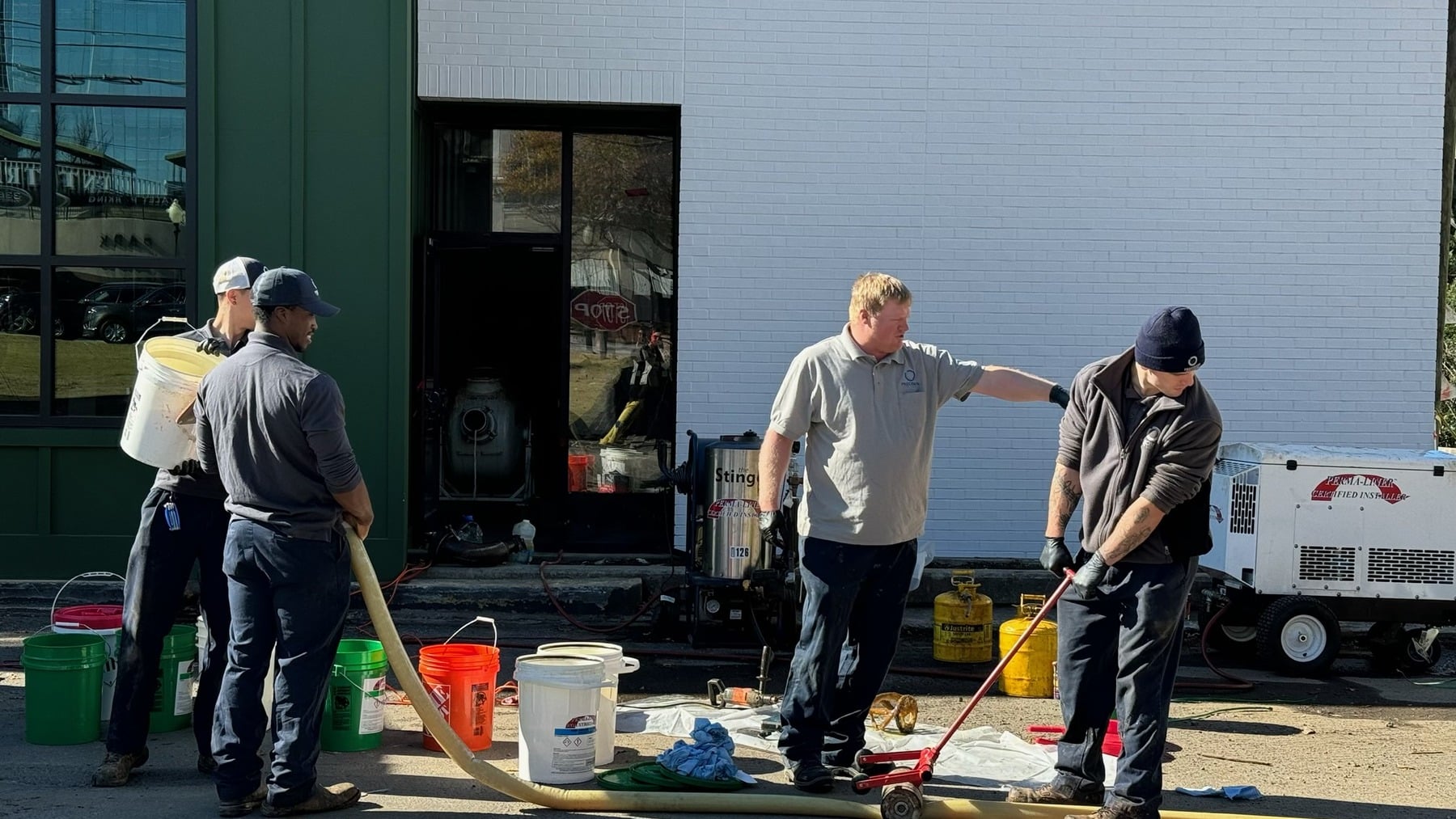
Every project is different, but a typical CIPP sewer lining project begins with understanding exactly what is happening inside the pipe.
1. Camera Inspection
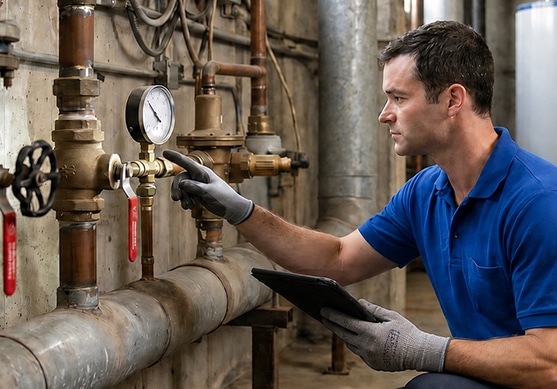
A camera inspection allows the trenchless team to see the interior condition of the pipeline.
The inspection can identify cracks, deterioration, blockages, root intrusion, offsets, and other problems. It also helps determine whether CIPP pipe lining is appropriate or whether another repair method may be required.
2. Pipe Preparation
The existing pipe must be properly prepared before lining.
Debris, buildup, roots, and other obstructions may need to be removed so the liner can properly conform to the existing pipe.
3. Liner Installation
A flexible liner containing epoxy or another resin system is installed within the damaged pipe.
Depending on the application, lining materials may incorporate fiberglass reinforcement or different resin formulations such as vinyl ester. The appropriate materials depend on the pipe, environment, and engineering requirements of the project.
4. Curing
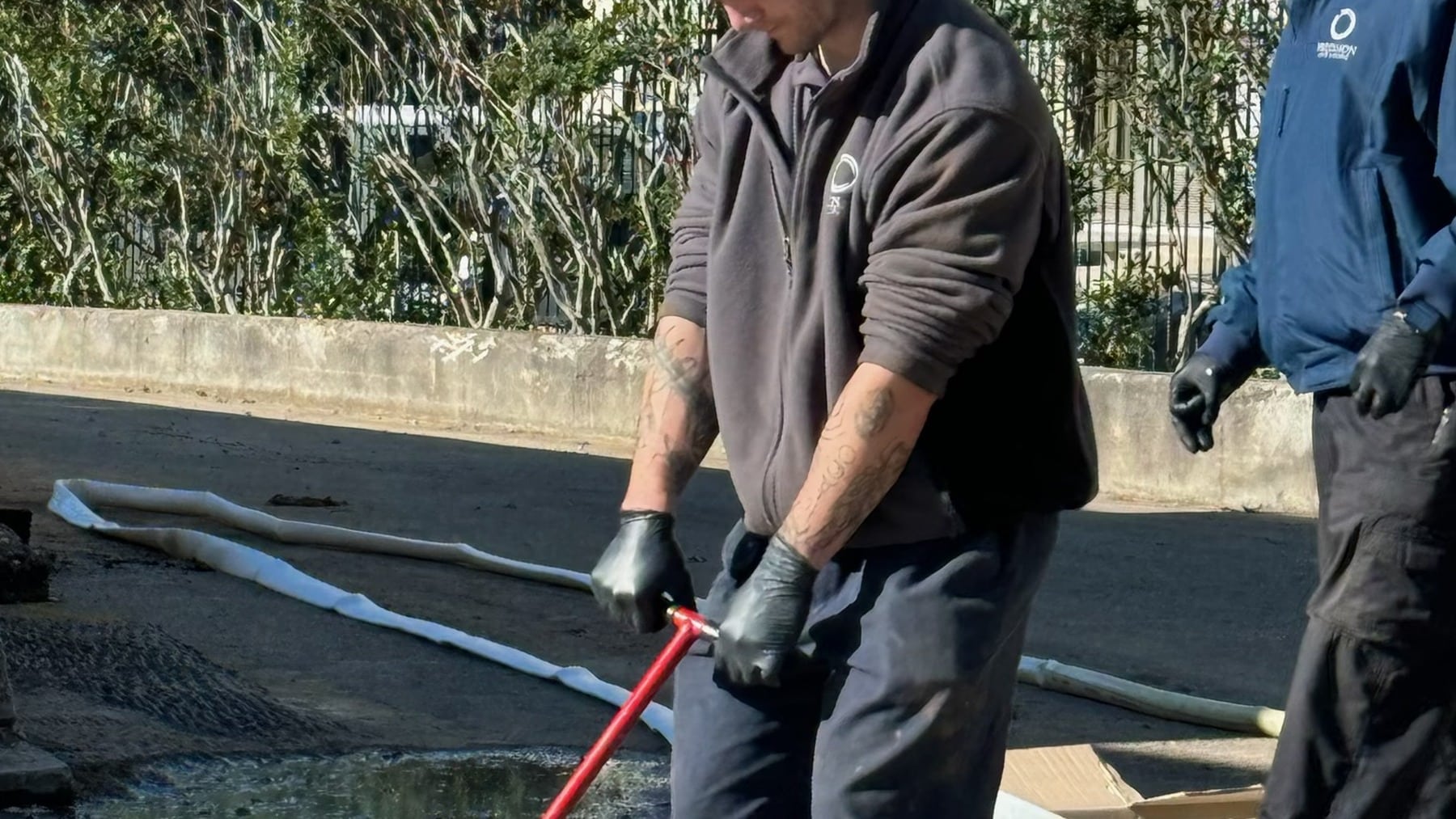
Once positioned, the liner is pressed against the existing pipe and cured.
Different CIPP systems may use hot water, steam, or UV light to complete this process. As the resin cures, it hardens into a durable new pipe within the existing one.
5. Final Inspection
Once curing is complete, the rehabilitated pipe can be inspected again to verify the finished installation and ensure the system is ready to return to service.
What Are the Benefits of CIPP Sewer Lining?
For many commercial property owners, the biggest advantage is obvious: less digging.
But the benefits of cured-in-place pipe go well beyond reduced excavation.
Less Disruption
Traditional replacement may require opening large sections of a property to reach underground pipes.
CIPP provides a more non-invasive approach. That can be especially valuable for hotels, restaurants, multifamily communities, office buildings, retail centers, healthcare facilities, and other properties where maintaining normal operations is important.
Existing Infrastructure Can Stay in Place
Instead of removing an entire damaged pipeline, cured-in-place pipe lining rehabilitates it from within.
That makes CIPP a particularly attractive option when the existing pipe runs beneath expensive or difficult-to-replace surfaces.
Structural Pipe Rehabilitation
CIPP is more than a simple pipe coating. A properly designed liner creates a new pipe structure within the old pipeline.
This distinction is important when evaluating long-term repair options for aging commercial infrastructure.
Improved Resistance to Common Pipe Problems
A continuous liner can eliminate many of the joints and openings where problems develop in aging piping. Depending on the application, this can help address infiltration and reduce opportunities for future root intrusion.
CIPP vs. Pipe Bursting
CIPP isn’t the only trenchless repair method.
Pipe bursting is another trenchless technology used to replace underground piping. Instead of lining the existing pipe, pipe bursting fractures or displaces the old pipe while pulling a new pipe into its place.
Both approaches can reduce the need for traditional excavation, but they solve different problems.
CIPP sewer lining rehabilitates the existing pipeline by creating a new interior pipe. Pipe bursting replaces the existing pipe entirely.
The condition of the existing pipe, accessibility, diameter, layout, and project requirements all help determine which approach makes the most sense.
What About Commercial Lateral Lines?
Lateral lines can be particularly challenging on commercial properties because they may run beneath buildings, parking areas, landscaping, or other finished surfaces.
Lateral lining allows qualifying sections of these systems to be rehabilitated without exposing the entire pipeline.
For properties with multiple buildings or complex wastewater systems, evaluating both the main line and lateral lines can provide a more complete picture of overall sewer condition.
Are There Standards for CIPP Installation?
CIPP is an established pipe rehabilitation technology with industry standards governing various applications and installation methods.
One commonly referenced standard is ASTM F1216, which addresses the rehabilitation of existing pipelines and conduits using inversion and curing of resin-impregnated tubes.
Following appropriate specifications, material requirements, and installation procedures is critical. Commercial CIPP projects should be evaluated and performed by professionals who understand the equipment, materials, curing process, and demands of the particular piping system.
Is CIPP Right for Your Commercial Building?
Not every damaged pipe should automatically receive CIPP.
A severely collapsed pipe, major alignment problem, or other structural condition may require a different approach. That’s why a professional assessment and camera inspection are so important.
When the existing pipeline is a good candidate, however, trenchless pipe lining can offer commercial property owners an effective way to rehabilitate underground infrastructure without turning the property into a major excavation site.
Talk to Precision Pipe Lining About Your Commercial Pipes
Commercial sewer problems don’t just affect plumbing. They can affect customers, tenants, employees, parking, property access, and the ability to keep a business operating normally.
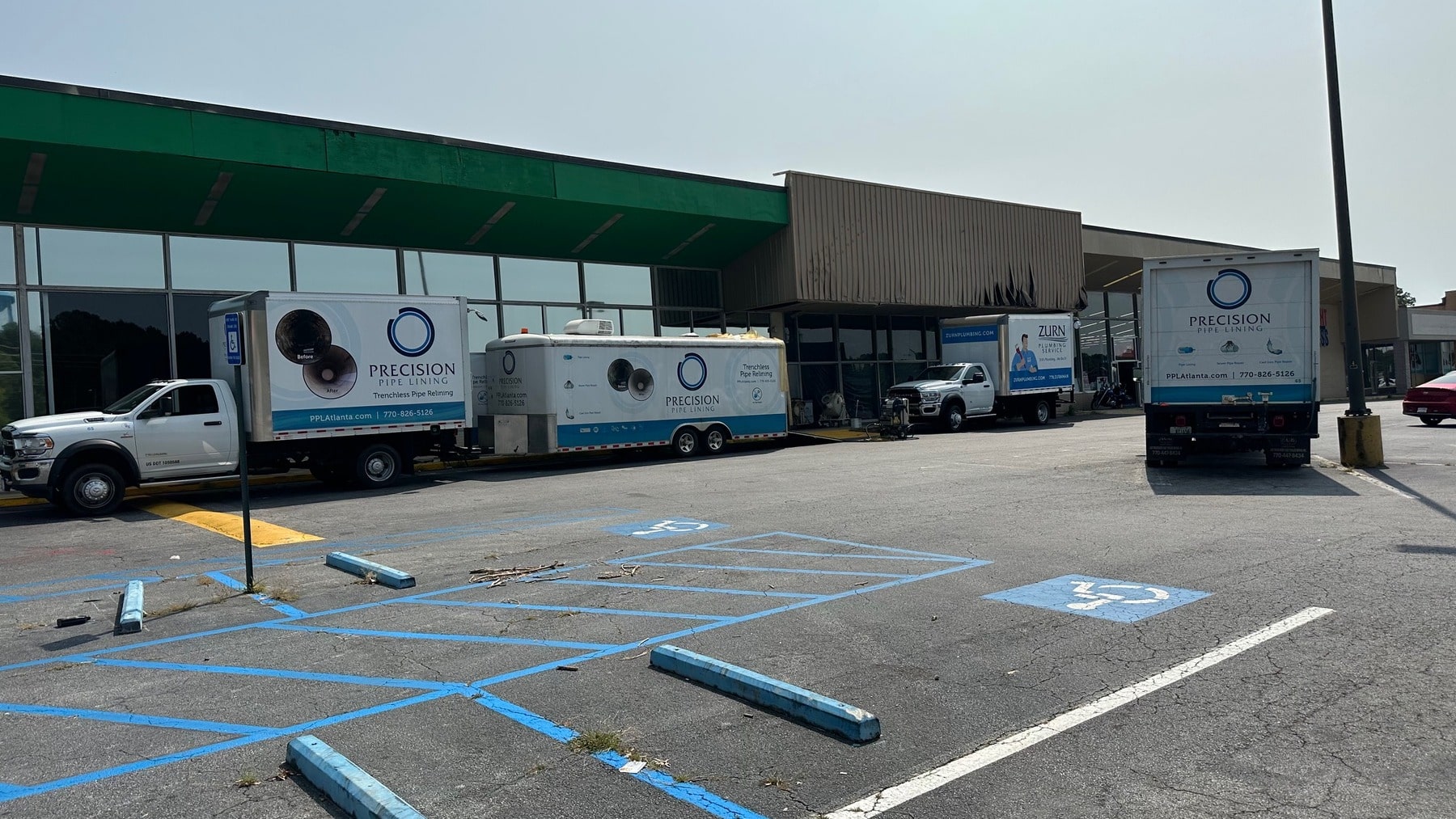
Precision Pipe Lining brings Zurn Plumbing’s experience together with specialized CIPP sewer lining and trenchless technology to address those problems with less disruption.
From camera inspection and lateral lining to full cured-in-place pipe rehabilitation, our team can evaluate the condition of your system and determine whether CIPP, pipe bursting, or another solution makes sense for your property.
If you’re responsible for a commercial building with aging, damaged, or troublesome underground piping, contact Precision Pipe Lining to learn whether CIPP pipe lining can give those pipes a new life without digging everything up.